

 By
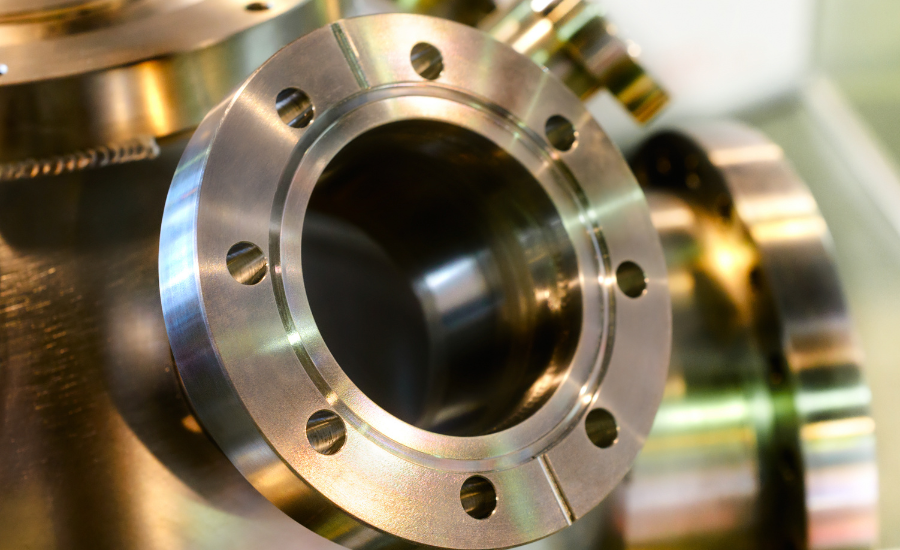
By Flanges are essential components in industrial piping systems, providing secure connections between pipes, valves, pumps, and other equipment. They allow components to be assembled, inspected, repaired, and replaced without dismantling the entire pipeline. However, like other piping components, flanges require regular inspection and proper maintenance to ensure long-term performance.
Neglecting flange maintenance can lead to leaks, corrosion, pressure loss, and unexpected equipment downtime. Whether you operate a chemical processing plant, an oil and gas facility, or a water treatment system, understanding how to inspect and maintain flanges can help improve operational safety and reduce maintenance costs.
Here is a practical guide to keeping your flanges in good condition.
1. Conduct Regular Visual Inspections
Visual inspections are the first step in an effective flange maintenance programme. Over time, flanges may develop visible signs of corrosion, surface damage, leakage, or deterioration around the joint.
Inspect flange faces, bolt holes, external surfaces, and surrounding piping for rust, cracks, discolouration, and signs of fluid leakage. Pay particular attention to areas exposed to moisture, chemicals, or harsh operating environments.
Maintenance tip: Establish an inspection schedule based on operating conditions, equipment criticality, and applicable maintenance requirements. Document any abnormalities and investigate them before they develop into more serious problems.
2. Check Bolts and Nuts for Damage
Bolts and nuts help maintain the clamping force required to keep a flanged connection secure. Corrosion, damaged threads, incorrect fasteners, or inadequate tightening can compromise joint integrity.
During an inspection, look for rust, thread damage, deformation, and missing or visibly loose fasteners. However, avoid randomly tightening bolts on an operating or pressurised system.
Maintenance tip: Use the specified fastener materials and tightening procedures. When tightening is necessary, follow the approved bolting sequence and torque or tension requirements. Any intervention should be performed only after the system has been made safe according to the relevant procedures.
3. Inspect Gaskets for Wear and Deterioration
Gaskets create a seal between mating flange faces. They are designed to prevent fluid or gas from escaping through the connection, making their condition essential to overall joint performance.
Gaskets may deteriorate due to excessive temperatures, chemical exposure, ageing, incorrect installation, or unsuitable material selection. Signs of failure can include leakage, visible extrusion, and damage around the sealing area.
Maintenance tip: Whenever a flange joint is dismantled, inspect the gasket and replace it as required. Select a replacement compatible with the process fluid, operating pressure, temperature, and flange facing. In most cases, previously compressed gaskets should not be reused unless specifically permitted by the applicable procedure and gasket manufacturer.
4. Monitor Corrosion and Surface Damage
Corrosion is a common concern in industrial environments, particularly where flanges are exposed to moisture, chemicals, salt, or extreme temperatures. Over time, corrosion can reduce component thickness and damage the sealing surfaces.
Inspect flange bodies and exposed surfaces for rust, pitting, coating deterioration, and other signs of material degradation. Flange faces deserve special attention because scratches, pitting, and other surface defects can affect gasket sealing.
Maintenance tip: Use materials suitable for the operating environment and maintain protective coatings where applicable. Address corrosion promptly, and have significant damage evaluated by qualified personnel before deciding whether a flange can remain in service.
5. Ensure Proper Flange Alignment
Misaligned flanges can introduce unwanted stresses into piping systems. When connected components are forced together, the resulting loads may contribute to gasket leakage, bolt damage, and premature joint failure.
Check for visible misalignment, uneven gaps, and signs that the piping is placing excessive loads on the flange connection. Pipe supports and connected equipment should also be examined where alignment issues are suspected.
Maintenance tip: Ensure that connected components are correctly aligned before assembly. Never use flange bolts to pull significantly misaligned pipes into position. Correct the underlying alignment or support issue before completing the connection.
6. Follow Correct Cleaning and Maintenance Procedures
Dirt, grease, corrosion products, and other contaminants can interfere with flange assembly and sealing. Incorrect cleaning methods may also damage flange faces or protective coatings.
Before reassembling a flange joint, ensure that the sealing surfaces are clean and suitable for use. Avoid abrasive tools or chemicals that could damage the material or alter the surface finish.
Maintenance tip: Follow the pipe fittings manufacturer’s recommendations for cleaning and surface preparation. Use appropriate tools and materials, and verify that the flange faces are free from unacceptable damage before installing a new gasket.
7. Maintain Proper Records and Inspection Schedules
A consistent maintenance programme helps identify recurring problems and supports better decisions about repairs and component replacement.
Keep records of inspection findings, leakage incidents, corrosion measurements, gasket replacements, bolting work, and any repairs performed. These records can help maintenance teams identify patterns and prioritise high-risk connections.
Maintenance tip: Develop a preventive maintenance schedule based on service conditions, inspection findings, and relevant industry standards. Increase inspection frequency where the consequences of flange failure are particularly serious.
Conclusion
Regular flange maintenance is essential for ensuring reliable connections, preventing leaks, and extending the service life of industrial piping systems. Routine inspections, proper gasket selection, correct bolting practices, corrosion monitoring, and accurate alignment can help minimise avoidable failures.
By combining preventive maintenance with appropriate inspection procedures and qualified technical support, businesses can improve equipment reliability, reduce downtime, and maintain safer operations.
The key to flange longevity is simple: inspect regularly, address problems early, and follow the correct maintenance procedures.